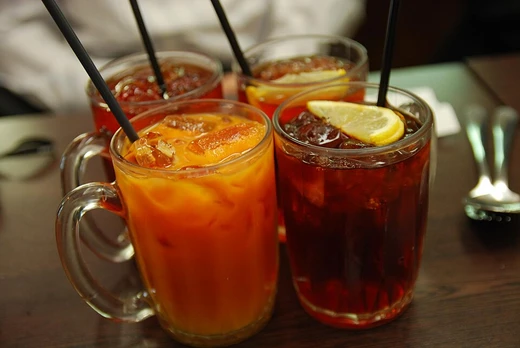
Teahouse
Establishments serving tea as centers of social interaction worldwide.

A teahouse or tearoom is an establishment that primarily serves tea and other light refreshments. It may be a room set aside in a hotel for serving afternoon tea or an establishment that only serves cream tea. Teahouses often serve as centers of social interaction, similar to coffee houses, and their function varies by culture and country.
- field
- Hospitality and social culture
- known_for
- Serving tea and light refreshments as centers of social interaction
- variants
- British tea rooms, Chinese cháguǎn, Japanese chaya, Central Asian chaykhana
Lore & Background
In East Asia, teahouses have a long history. Buddhist monks originally drank tea to aid meditation, and during the Chinese adaptation of Buddhism between 200 C.E. By the 8th–9th centuries C.E., Chinese teahouses provided a new kind of social life. In Japan, a teahouse traditionally refers to a private structure for tea ceremonies, called chashitsu. During the Edo period, the term ochaya referred to places where geisha entertained clients, though these served tea only incidentally. In Southeast Asia, Myanmar's teahouses (laphetyay saing) emerged during the British colonial era, serving milk tea and a variety of delicacies. In South Asia, Pakistan's Pak Tea House is known as a hub of the Progressive Writers' Movement. Central and West Asian teahouses, such as the shayhana in Kazakhstan or chaikhaneh in Iran, often serve other beverages and shisha alongside tea. Tea rooms were part of growing opportunities for women. In the UK, they serve cream tea or elaborate afternoon tea.
Reader's Guide
Teahouses have played a significant role in social life across many cultures, serving as venues for conversation, dates, and intellectual exchange. In East Asia, they evolved from monastic aids to meditation into bustling social hubs. The British tea room became an alternative to the pub during the 19th-century temperance movement, and by the 1880s, fine hotels in the US and England offered tea service in tea rooms and tea courts. Tea rooms were widespread in Britain by the 1950s, though cafés later became more fashionable. In the Commonwealth, tea rooms remain popular, especially in Canada. The Czech Republic boasts a high concentration of tea rooms per capita. In South Africa, 'tearoom' is a synonym for a small local grocer's shop. The legacy of teahouses endures as places of relaxation, social interaction, and cultural tradition.
Did You Know?
- Buddhist monks originally drank tea to aid their meditation before it became a social drink.
- In Kyoto, the term ochaya is still used for establishments where geisha perform and entertain clients.
Frequently Asked Questions
What is a teahouse?
A teahouse is a hospitality establishment dedicated primarily to serving tea along with light snacks or refreshments. It can range from a dedicated standalone venue to a designated room within a hotel set aside for afternoon tea service.
What are the main cultural variants of teahouses?
Teahouses appear across many traditions, including British tea rooms, Chinese cháguǎn, Japanese chaya, and Central Asian chaykhana. Each variant reflects local customs around how tea is prepared, presented, and shared with guests.
What role do teahouses play in social culture?
Teahouses function as gathering spaces for conversation and community, much like coffee houses do in other settings. They provide a low-pressure environment where people meet, socialize, and conduct informal business over a shared pot of tea.
How does a teahouse differ from a coffee shop or bar?
While all three are drink-centered social venues, a teahouse centers its menu and atmosphere around tea and light refreshments rather than coffee, alcohol, or heavy meals. The pace and ritual of service tend to be calmer and more focused on the tea-drinking experience itself.
What kinds of refreshments are typically served in a teahouse?
Most teahouses pair their tea selection with light fare such as pastries, sandwiches, scones, or small savory bites. Some establishments, particularly those focused on cream tea, keep the menu even more limited, centering the experience almost entirely on the tea itself.
More in Beverages & Drink Culture 1-18
Spotted an error? Know more?
This is a living reference — every entry is fact-audited, and reader corrections feed straight into our audit queue. Suggest an edit · See this site's audit record